Top Seasonal Ingredients Used by Private Chefs in Marrakech
Marrakech is a chef’s dream pantry. Between the snow-kissed Atlas Mountains, the Atlantic coast, and sun-drenched oases, the city enjoys a steady flow of vibrant produce, fragrant herbs, and world-class spices. Cooking seasonally here isn’t just a trend—it’s the fastest route to deeper flavor, better nutrition, and memorable, market-to-table dining. Below is our Marrakech ingredient calendar, how we source it, and the dishes guests love most—designed to help you plan the perfect private dinner at any time of year.
Why Seasonality Matters in Marrakech
- Peak flavor, naturally: Ingredients taste their best when harvested at the right time.
- Sustainability & locality: Seasonal menus support small farms, women’s cooperatives, and responsible fisheries.
- Better value for hosts: In-season produce often means better pricing without compromising quality.
- Tailored to you: We customise each menu (halal, vegan, gluten-free, nut-free and more) based on your preferences and what’s freshest that week.
Marrakech Seasonal Ingredient Calendar
Spring (March–May)
What’s best now: Fava beans (broad beans), garden peas, artichokes, zucchini blossoms, baby carrots, new potatoes, wild herbs (mint, coriander, parsley), strawberries.
Chef’s notes & ideas:
- Silky bessara (fava purée) with first-press olive oil and cumin.
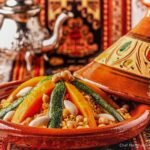
- Artichoke & preserved lemon tagine with green olives.
- Zucchini blossom fritters, lemon zest, and a whisper of saffron.
- Strawberries & rosewater with toasted almonds for a light dessert.
Summer (June–August)
What’s best now: Heirloom tomatoes, peppers, courgettes, cucumbers, figs, melons, peaches/nectarines, apricots; Atlantic sardines and line-caught white fish; basil, dill, and chermoula herbs.
Chef’s notes & ideas:
- Tomato & fig salad with argan oil and sea salt.
- Sardines in chermoula, flame-grilled with lemon.
- Charred pepper zaalouk (summer version, lighter on spice).
- Apricot tart with orange blossom and pistachio praline.
Autumn (September–November)
What’s best now: Grapes, pomegranates, quince, dates (new harvest), wild mushrooms, pumpkin/squash, sweet potatoes; Taliouine saffron (harvest highlight).
Chef’s notes & ideas:
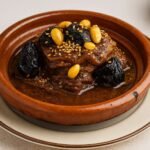
- Lamb & quince tagine finished with saffron and honey.
- Roasted pumpkin zaalouk with smoked paprika and preserved lemon.
- Mushroom barley pilaf with thyme and toasted walnuts.
- Pomegranate granita with mint syrup.
Winter (December–February)
What’s best now: Citrus (oranges, clementines, lemons), beets, fennel, turnips, cauliflower, chard/kale, almonds; Atlantic monkfish and squid are excellent.
Chef’s notes & ideas:
- Beet & orange salad with walnuts, date vinaigrette, and mint.
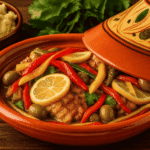
- Chicken with olives & preserved lemon, slow-braised.
- Monkfish tagine with fennel, saffron, and green olives.
- Clementine semolina cake with orange blossom syrup.
Signature Dishes We Create with Seasonal Produce
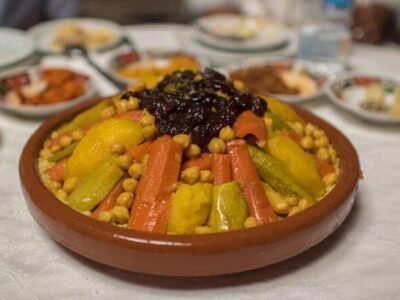
- Spring: Bessara amuse-bouche; artichoke hearts with preserved lemon; grilled baby carrots with cumin and honey.
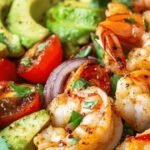
- Summer: Sardine chermoula grill; heirloom tomato “Mechouia” salad; charred courgette ribbons with almond tarator.
- Autumn: Saffron-braised lamb with quince; pumpkin zaalouk; wild mushroom rghaif (flaky flatbread) canapé.
- Winter: Monkfish & fennel tagine; beet-orange salad with argan oil; citrus–olive roasted chicken with thyme.
Flavour boosters we love: preserved lemons, smen (aged butter), ras el hanout, toasted cumin, roasted sesame, and finishing with culinary argan oil for a nutty lift.
How We Source: Markets, Farms & Cooperatives
- Medina & Gueliz markets: Daily runs for peak-ripeness produce, herbs, and citrus.
- Ourika Valley & High Atlas farms: Seasonal vegetables, stone fruits, and mountain honey.
- Women’s argan oil cooperatives: Cold-pressed culinary argan oil with traceable origin.
- Trusted fishmongers: Early-morning selections with strict cold-chain handling.
Quality checks we never skip: firmness and aroma, field heat vs. chill, gentle handling, and minimal time from market to mise-en-place.
Spices & Pairings that Elevate Seasonal Produce
- Saffron (Taliouine): floral depth for seafood, chicken, and pumpkin.
- Cumin & paprika: the heartbeat of Moroccan vegetables and grills.
- Caraway & anise: subtle warmth in salads and braises.
- Chermoula & charmoula verde: herb-forward marinades that adore fish, aubergine, and peppers.
- Finishing oils: argan oil for nuttiness; extra-virgin olive oil for peppery brightness.
Pairing ideas:
- Apricot → lamb or duck;
- Citrus → seafood, fennel, and olives;
- Pomegranate → roasted roots and grilled meats;
- Quince → slow braises with saffron.
Host Tips: Choose a Seasonal Menu for Your Event
- Match the moment: Light, crisp menus for summer evenings; deeper braises and citrus for winter dinners.
- Dietary adaptations: Vibrant vegan spreads (zaalouk variations, herb salads), gluten-free swaps, nut-free desserts—without losing flavour.
- Flow for 2–24 guests: A small amuse, a fresh starter, a generous centrepiece, and a bright finish keeps pacing elegant and relaxed.
- Venue-smart cooking: We calibrate techniques to your villa/riad kitchen and can bring equipment when needed.
Sample Seasonal Menus
Spring Menu
Bessara sip • Artichoke & preserved lemon salad • Monkfish tagine with peas & saffron • Strawberry–rose granita
Summer Menu
Tomato–fig salad with argan oil • Sardines chermoula, lemon & herbs • Lamb brochettes, pepper zaalouk • Melon & mint
Autumn Menu
Pigeon zaalouk with smoked paprika • Lamb & quince tagine with saffron • Mushroom barley pilaf • Pomegranate sorbet
Winter Menu
Beet–orange salad, walnuts & mint • Chicken with olives & preserved lemon • Citrus semolina cake • Fresh mint tea
FAQs
Do you adapt menus to what’s freshest that week?
Yes—your final menu is confirmed after our market run so we can lock in peak ingredients.
Can you design vegan or gluten-free seasonal menus?
Absolutely. Many Moroccan dishes are naturally plant-forward; we tailor every course to your needs.
How far in advance should we book for specific seasonal items?
3–7 days is ideal. For specialty requests (e.g., saffron mushrooms, certain fish), earlier is best.
Do you use organic produce or specific farms?
Where available, we prioritise organic and smallholder farms in the Ourika Valley and the High Atlas; all suppliers are vetted for quality.
Ready to Plan Your Seasonal Private Dinner?
Tell us your date, guest count, and preferences—we’ll craft a menu that celebrates Marrakech at its delicious best. Book your date: Contact us to design your seasonal menu and private dining experience