Moroccan Spices Explained: A Private Chef’s Guide to Flavor
A quick hello from my kitchen
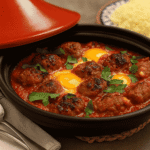
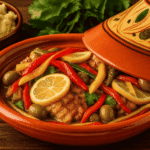
Open a tagine and you’ll smell why I love Moroccan cooking: soft onions, warm spice, a squeeze of lemon, maybe a whisper of saffron. It isn’t “spicy” for the sake of heat—it’s layered. As a private chef, my job is to make those layers play nicely so every bite tastes complete. Let me show you how I think about it, the spices I actually reach for, and a few tiny moves you can copy tonight.
Meet the Moroccan flavor framework
When a dish tastes “Moroccan,” it usually balances a few of these notes:
- Earthy & nutty: cumin, coriander, turmeric
- Warm & sweet-aromatic: cinnamon, ginger, anise
- Floral & luxurious: saffron, orange blossom water
- Citrusy & salty: preserved lemon, olives
- Heat & depth: harissa, cayenne, black pepper
How I layer flavor:
Start with onions/garlic → bloom spices gently in fat → add liquids (stock, tomato, lemon) → finish with freshness (herbs), salinity (olives), or perfume (saffron/orange blossom). That’s it. Simple, repeatable, delicious.
The essential spice shelf (and how I actually use them)
Cumin — the backbone
Tastes warm and earthy. I bloom a small spoonful in olive oil before any liquid hits the pan. Loves lamb, tomatoes, eggplant, chickpeas.
Chef tip: burned cumin turns bitter fast—keep the heat friendly.
Paprika — color and quiet sweetness
Sweet and sometimes a little smoky. Great with chicken, potatoes, and chermoula.
Chef tip: it scorches quickly; bloom low and slow.
Coriander seed — citrusy lift
I toast the seeds, crush them, and add to fish, carrots, and herb sauces.
Chef tip: buy small amounts—pre-ground fades in months.
Turmeric — gentle earth + golden color
I cook it with onions for a minute so the “raw” edge disappears. Perfect with poultry, lentils, veg stews.
Watch out: it stains everything (including your favorite spoon).
Ground ginger — cozy warmth
Friends with chicken, carrots, cookies. I pair it with turmeric and saffron for classic chicken tagines. A little goes a long way.
Cinnamon (sticks vs. ground)
Sticks for stews and tagines (subtle), ground for tfaya (caramelized onions/raisins) and pastries. The goal is balance, not dessert.
Saffron (ideally Taliouine)
Floral, honeyed, elegant. I crumble threads into warm stock, steep 10–15 minutes, then add near the end. It’s about aroma, not neon color.
Black pepper — clean finishing heat
Coarsely ground at the end for sparkle; fine early on for background warmth.
Caraway & fennel — gentle anise
Crushed into breads, eggplant salads, carrot dishes. A pinch changes everything.
Anise & sesame seeds — pastry partners
Toast sesame just to golden. Anise is perfumed—lovely in sweets, but easy to overdo.
Nigella (sanouj) — peppery crunch
Sprinkled on flatbreads and salads for texture and a tiny oniony note.
Fenugreek (helba) — maple-nutty, strong
Micro-doses in slow stews. Overdo it and it bites back.
Not spices, but essential friends:
- Preserved lemon: chop the rind finely—instant citrusy salt.
- Smen (aged butter): a dot makes beans/couscous taste “finished.”
- Orange blossom water: two or three drops in dessert or fruit salads. Not more.
Signature blends & pastes (the easy buttons)
Ras el Hanout
The vendor’s “house best.” Warm, layered, a little floral. I rub it on meat or stir into veg tagines. Start small; you can always add.
La Kama (Fez blend)
Mild, cozy warmth—usually turmeric, ginger, cinnamon, pepper. Lovely in soups and chickpeas when you want comfort without heat.
Chermoula
Fresh herb paste: cilantro + parsley, garlic, cumin, paprika, lemon, olive oil, salt. Thick for marinades, thinner for drizzling. Fish and veg adore it.
Harissa
Chili paste with garlic and tang. Swirl into soups, eggs, sandwiches. Too hot? Blend with roasted red pepper and olive oil, or temper in yogurt.
How I actually build flavor at the stove
- Whole vs. ground: toast whole seeds (cumin, coriander, fennel) until fragrant, then grind. Brighter than anything from a jar.
- Bloom in fat: 30–60 seconds in warm oil/butter unlocks aroma. If it smells amazing, you did it right.
- Saffron 101: crumble → steep in hot stock 10–15 minutes → add near the end.
- My marinade formula: Acid (lemon) + Aromatics (garlic/herbs) + Spice (cumin/paprika/coriander) + Fat (olive oil).
- Fish: 20–40 min. Chicken: 2–12 hrs. Beef/lamb: 4–24 hrs.
- Sweet things, still savory: if you add prunes/raisins/honey, balance with salt (olives), acid (lemon), and spice (pepper/cumin).
- Salt check: olives and preserved lemon are salty—season lightly early, fix at the end.
Quick pairing cheat sheet
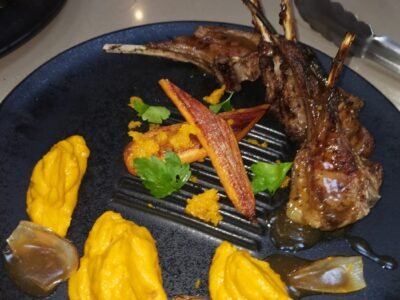
- Lamb: cumin, coriander, a cinnamon stick, or a pinch of ras el hanout. Finish with mint.
- Chicken: ginger + turmeric + saffron; preserved lemon and green olives are classic.
- Beef: paprika + cumin + black pepper; try with prunes or roasted peppers.
- Fish & seafood: chermoula, always.
- Vegetables:
- Eggplant → paprika + cumin (smoke if you can)
- Carrots → cumin + orange zest/juice
- Squash → cinnamon + ginger
- Chickpeas → cumin + turmeric + black pepper
Tiny, tasty things you can cook tonight
30-second chermoula
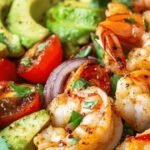
Mash 2 garlic cloves with salt → mix in 1 tsp cumin + 1 tsp paprika → add chopped cilantro/parsley (about 1½ cups) → lemon zest/juice → olive oil to loosen. Marinate shrimp or drizzle on roasted veg.
Golden base for poultry
Soften 1 onion in olive oil → stir in ½ tsp turmeric + ½ tsp ground ginger for 1–2 minutes → add chicken and a splash of stock. Build from there.
Saffron finishing splash
Pinch of saffron + ¼ cup hot stock, steep 10 minutes. Stir in during the last 5 minutes of cooking.
Tfaya for couscous (sweet-savory topper)
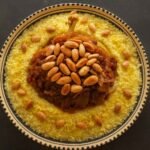
Slow-cook sliced onions with butter and salt until jammy → add raisins + a pinch of cinnamon + touch of honey → finish with black pepper (and a dot of smen if you have it).
How I shop the souk (and online)
- Saffron: buy threads, not powder. Deep red, honey-floral smell.
- Small jars win: ground spices peak in months; whole seeds last longer.
- Grind to order: toast/grind only what you need tonight.
- Storage: airtight, cool, dark. Not above the stove.
- Trust your nose: if it smells sleepy, it tastes sleepy.
Quick fixes when things go sideways
- Too bitter (you over-toasted): add lemon/tomato, a touch of sweetness, and a splash of stock.
- Too flat: fresh herbs, squeeze of lemon, or a late grind of black pepper.
- Too hot: olive oil or yogurt calms heat; a roasted red pepper works wonders.
- Big color, little flavor (too much turmeric): cook onions longer, add ginger/garlic, finish with saffron/lemon—not more turmeric.
FAQs
Is ras el hanout just curry powder?
Nope. Ras el hanout is a vendor’s signature blend, warm and often floral. Curry powders vary by region and lean differently.
No preserved lemon—now what?
Zest + pinch of salt + a few drops of white wine vinegar. Not identical, but it gets you close.
How do I tame harissa?
Blend with roasted red pepper and olive oil, or spoon into yogurt for a friendly table sauce.
Why cinnamon in savory food?
Used lightly, it rounds out meat and onions. It’s a Morocco thing—and it works.
Whole or ground—where do I start?
Get whole cumin and coriander and grind small batches. Keep sweet paprika and ground ginger for convenience.
Let’s cook for you
Moroccan flavor is about balance, not bravado. With a handful of good spices and smart timing, your kitchen will smell like a riad courtyard in no time. If you’d like the full experience—market-fresh sourcing, custom menu, and polished service—book a private, in-villa dinner. Tell me your tastes and any dietary needs, and I’ll bring the souk’s best straight to your table.